
 |
 |
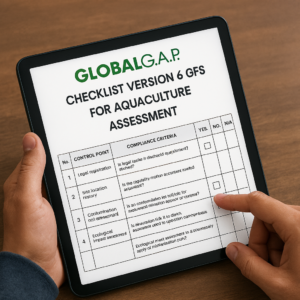
GlobalG.A.P. Checklist Version 6 GFS for Aquaculture Assessment Audit Guide: A Complete Guide & Free Checklists
GlobalG.A.P. Checklist Version 6 GFS for Aquaculture Assessment Audit Guide helps farms meet food safety rules and prove safe, responsible aquaculture practices worldwide.
In today’s aquaculture sector, buyers expect clear proof of safe production. That is where eAuditor Audits & Inspection tools make a real difference. They simplify audits, reduce paperwork, and help teams stay compliant with GlobalG.A.P. Version 6 GFS standards. This guide walks you through the audit process in a simple, practical way. It also shows how you can use ready-made checklists from library.eAuditor.app to save time and improve accuracy.
What is GlobalG.A.P. Version 6 GFS for Aquaculture?
GlobalG.A.P. Version 6 GFS (Global Food Safety) for Aquaculture sets clear rules for safe fish and seafood production. It focuses on food safety, traceability, animal welfare, and environmental care.
The GFS standard aligns with global food safety benchmarks. As a result, it helps farms meet buyer requirements and access international markets. It also builds trust with consumers.
Why This Audit Matters
Aquaculture farms face strict safety checks. Without a proper system, it is easy to miss key risks. This audit helps you:
- Ensure safe feed, water, and handling practices
- Track products from farm to market
- Prevent contamination and disease
- Meet export and retailer requirements
- Improve daily farm operations
A strong audit process does more than ensure compliance. It also improves efficiency and reduces costly mistakes.
Key Areas Covered in the Audit
The GlobalG.A.P. Checklist GFS Aquaculture audit focuses on several core areas:
Food Safety Management System
You must show a working system that controls risks. This includes hazard analysis and control measures.
Site Management
The farm layout, water sources, and surrounding risks must meet safety standards.
Stock and Feed Management
You need safe sourcing, storage, and use of feed. Records must be clear and complete.
Health and Welfare
Fish health must be monitored. You must manage disease and avoid unnecessary stress.
Chemical Use
You must store and use chemicals safely. Records must show correct use and withdrawal periods.
Harvesting and Handling
Clean handling practices must prevent contamination during harvest and transport.
Traceability and Records
You must track every batch. Records must be accurate and easy to access.
Step-by-Step Audit Process
A clear process makes audits easier and more effective.
1. Prepare Documents
Gather all records. This includes feed logs, water tests, and treatment records.
2. Conduct a Pre-Audit Check
Use a digital checklist to find gaps before the official audit.
3. Inspect the Site
Walk through the farm. Check hygiene, storage, and handling practices.
4. Review Records
Verify that all data matches actual practices.
5. Identify Non-Conformities
List issues clearly. Assign actions to fix them.
6. Take Corrective Action
Fix problems quickly. Update records and processes.
7. Final Audit and Approval
Once you meet all requirements, you can proceed with certification.
How eAuditor Improves Your Audit Process
Manual audits take time and often lead to errors. eAuditor solves this problem with smart digital tools.
With eAuditor, you can:
- Use ready-made GlobalG.A.P. Checklist
- Capture photos and notes on-site
- Assign corrective actions instantly
- Generate clear audit reports
- Store records securely in one place
This approach saves time and improves accuracy. It also helps teams stay consistent across multiple sites.
Ready-to-Use eAuditor Checklists
You can access practical audit templates directly from the eAuditor library. These checklists follow GlobalG.A.P. Version 6 GFS standards and help you stay organized.
Here are some useful options:
- GlobalG.A.P. Checklist Aquaculture GFS v6 Full Audit Checklist
https://library.eauditor.app/globalgap-aquaculture-gfs-v6-full-audit - Aquaculture Food Safety Management System Checklist
https://library.eauditor.app/aquaculture-food-safety-management - Fish Farm Hygiene and Handling Inspection Checklist
https://library.eauditor.app/fish-farm-hygiene-inspection - Aquaculture Traceability and Record-Keeping Checklist
https://library.eauditor.app/aquaculture-traceability-records - Chemical Storage and Usage Audit Checklist for Aquaculture
https://library.eauditor.app/aquaculture-chemical-storage
These templates reduce setup time. They also ensure you do not miss critical checks.
Tips for a Successful Audit
A few simple habits can make a big difference:
- Keep records updated daily
- Train staff regularly
- Use digital tools for consistency
- Conduct internal audits often
- Fix small issues before they grow
Consistency is key. When your daily practices align with standards, audits become much easier.
Common Challenges and How to Solve Them
Incomplete Records
Use digital logs to track data in real time.
Poor Staff Awareness
Provide simple training and clear instructions.
Last-Minute Preparation
Run regular internal audits to stay ready.
Lack of Traceability
Adopt a structured system for batch tracking.
Each challenge has a simple fix when you use the right tools and processes.
Frequently Asked Questions
What is GlobalG.A.P. Checklist GFS for Aquaculture?
It is a food safety standard for aquaculture farms. It ensures safe production, proper handling, and full traceability.
Is Version 6 different from earlier versions?
Yes. Version 6 has stronger food safety focus, better alignment with global standards, and clearer requirements.
How often should I conduct internal audits?
You should conduct them regularly, at least once every few months, to stay prepared.
Can small farms use eAuditor?
Yes. eAuditor works for farms of all sizes. It simplifies audits and reduces manual work.
Do I need digital tools for compliance?
They are not mandatory, but they make compliance faster, easier, and more reliable.
Where can I find ready-made audit checklists?
You can find them at library.eAuditor.app. They are easy to use and aligned with GlobalG.A.P. standards.
A strong audit system builds trust, improves safety, and opens new markets. With the right approach and tools like eAuditor, you can turn compliance into a smooth, everyday process.
| |
|