 |
 |
HVAC System Preventative Maintenance Checklist: A Complete Guide
A reliable HVAC system helps keep a building comfortable, safe, and energy-efficient. However, without regular care, filters can clog, coils can collect dirt, and parts can wear out. As a result, the system may use more energy, provide poor airflow, or break down when people need it most. An HVAC System Preventative Maintenance Checklist helps technicians inspect heating, ventilation, and air conditioning equipment on a planned schedule. It guides them through routine checks, cleaning tasks, safety controls, and maintenance records. Therefore, teams can find early signs of trouble and plan repairs before small issues become costly problems.
With eAuditor Audits & Inspections, maintenance teams can use digital checklists to record inspections, document faults, and manage follow-up actions. This helps them keep maintenance work organised and maintain a clearer record of equipment condition.
What Is an HVAC System Preventative Maintenance Checklist?
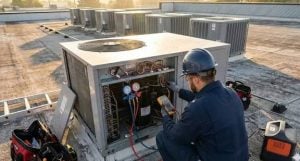
An HVAC system preventative maintenance checklist is a list of inspection and service tasks used to keep heating, ventilation, and air conditioning equipment in good working order.
It helps technicians check system components, identify wear, clean key parts, and confirm that equipment operates within the limits set by the manufacturer.
Depending on the system, the checklist may cover:
- Air filters and airflow.
- Heating and cooling coils.
- Fans, blowers, and motors.
- Thermostats and control systems.
- Electrical connections and safety devices.
- Refrigerant systems and visible signs of leakage.
- Condensate drains and drain pans.
- Ductwork, vents, and dampers.
- Belts, bearings, and moving parts.
- General equipment condition and maintenance records.
However, not every task applies to every HVAC system. A split air conditioner, a rooftop unit, a boiler, and a large central HVAC plant each have different service needs. Always adapt the checklist to the installed equipment and its manufacturer’s instructions.
Why Is Preventative HVAC Maintenance Important?
Regular maintenance helps organisations keep their HVAC systems reliable and identify problems before they cause major disruption.
Reduce Unexpected Breakdowns
Worn belts, dirty filters, blocked drains, and faulty controls can affect system performance. Regular inspections help technicians find these issues early and arrange repairs.
Improve Energy Efficiency
Dirty coils, restricted airflow, and incorrect control settings can make equipment work harder than necessary. Therefore, cleaning and servicing the system can help it operate more efficiently.
Actual energy savings depend on the equipment, its condition, operating conditions, and the work completed.
Support Indoor Air Quality
Filters, ventilation components, and drain systems need suitable care. When technicians inspect these parts, they can identify conditions that may affect indoor air quality.
However, HVAC maintenance alone cannot guarantee healthy indoor air. Occupancy, outdoor air, moisture control, and other building conditions also matter.
Extend Equipment Service Life
Routine inspections can help identify wear, corrosion, vibration, and other signs of deterioration. Addressing these issues may reduce avoidable damage and support the equipment’s expected service life.
Improve Comfort and Performance
Poor airflow, faulty sensors, and incorrect control settings can cause uneven temperatures. Regular checks help technicians identify and correct these problems.
Strengthen Maintenance Records
A consistent checklist gives teams a record of completed work, reported faults, and follow-up tasks. As a result, managers can plan future maintenance more clearly.
HVAC System Preventative Maintenance Checklist
Use this sample checklist as a starting point. Adjust it to the equipment type, site conditions, operating hours, and manufacturer guidance.
1. General Equipment Inspection
- Is the HVAC unit accessible for safe inspection?
- Is the equipment free from visible damage?
- Are mounting brackets and supports secure?
- Are there signs of corrosion, unusual wear, or water damage?
- Are equipment labels and identification details readable?
- Are access panels secured correctly?
- Are unusual sounds or vibrations present?
- Are service clearances and access routes kept clear?
- Are previous maintenance issues reviewed?
- Are any visible faults recorded for follow-up?
2. Air Filters and Airflow
- Are air filters inspected at the required interval?
- Are filters dirty, damaged, or blocked?
- Are filters replaced or cleaned according to manufacturer instructions?
- Is the filter type and size correct for the unit?
- Are filters fitted in the correct direction?
- Are filter frames and seals in good condition?
- Are air intakes free from obvious obstructions?
- Are supply and return vents clear?
- Is airflow consistent with the expected operating condition?
- Are abnormal pressure drops or airflow concerns recorded?
Dirty filters can restrict airflow and reduce performance. However, filter replacement intervals should reflect the equipment, filter type, operating environment, and manufacturer’s recommendations rather than a fixed schedule for every site.
3. Heating and Cooling Coils
- Are evaporator coils inspected for dirt and debris?
- Are condenser coils free from significant blockage?
- Are coil fins visibly damaged or bent?
- Is there evidence of corrosion?
- Are coils cleaned using an approved method when needed?
- Are surrounding areas clear enough for suitable airflow?
- Are coil cleaning products compatible with the equipment?
- Are signs of icing or abnormal moisture recorded?
- Are any recurring coil problems investigated?
Coils can be delicate. Technicians should use approved cleaning methods and avoid damaging fins or nearby components.
4. Fans, Blowers, and Motors
- Are fan blades free from excessive dirt?
- Are fan housings and guards secure?
- Are belts inspected for wear, cracks, or incorrect tension?
- Are bearings checked according to manufacturer guidance?
- Are motor mounts secure?
- Are unusual noises or vibrations present?
- Are signs of overheating or damage recorded?
- Are moving parts lubricated only where required?
- Are fan speeds and operation checked where applicable?
- Are defective components reported for repair?
Before working on moving parts, technicians must isolate the equipment and follow the required lockout and safety procedures.
5. Thermostats and Control Systems
- Are thermostats securely mounted?
- Are temperature settings appropriate for the operating plan?
- Do displayed readings appear reasonable?
- Are sensors and control wiring visibly undamaged?
- Do heating and cooling modes respond as intended?
- Are schedules and setpoints reviewed with authorised staff?
- Are alarms and fault indicators checked?
- Are control panels free from visible damage?
- Are control faults recorded?
- Are changes made only by authorised personnel?
Some checks may require specialist testing or access to the building management system. Follow the relevant equipment documentation and site procedures.
6. Electrical Components and Safety Devices
- Are electrical enclosures free from visible damage?
- Are access covers and protective guards secure?
- Are warning labels readable?
- Are there signs of overheating, burning, or moisture?
- Are cables and accessible wiring free from visible damage?
- Are disconnects and isolators identified correctly?
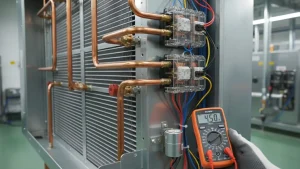
- Are required protective devices inspected by a qualified person?
- Are safety interlocks and controls tested according to the approved procedure?
- Are electrical faults reported and isolated where necessary?
- Are inspection and test records maintained?
Electrical inspections and testing must be carried out by appropriately qualified personnel. Do not open live electrical panels or touch exposed conductors as part of a routine visual inspection.
7. Refrigerant System
- Are accessible refrigerant lines free from visible damage?
- Are pipe insulation and supports in good condition?
- Are there signs that may indicate a refrigerant leak?
- Are service valves and fittings checked by a qualified technician where required?
- Are abnormal operating pressures or temperatures investigated?
- Are refrigerant-related alarms or fault codes recorded?
- Are repairs completed using approved procedures?
- Are refrigerant handling records maintained where required?
Refrigerant systems operate under pressure and may contain regulated substances. Only trained and authorised technicians should carry out refrigerant testing, recovery, charging, or repairs. A visual checklist cannot confirm that a system is leak-free.
8. Condensate Drainage
- Are drain pans free from excessive dirt and standing water?
- Are condensate drains clear?
- Are drain lines inspected for blockage or damage?
- Are there signs of leaks around the unit?
- Are drain traps checked where fitted?
- Are condensate pumps checked where applicable?
- Are overflow protection devices inspected according to the service plan?
- Are signs of mould or persistent moisture recorded?
- Are cleaned components returned to their correct condition?
Blocked condensate drains can lead to water damage and moisture problems. Therefore, teams should investigate repeated blockages instead of simply clearing them each time.
9. Ductwork, Vents, and Dampers
- Are accessible ducts free from visible damage?
- Are duct joints and connections secure?
- Is duct insulation in good condition?
- Are supply and return grilles clean?
- Are dampers accessible and free from visible obstruction?
- Are air leaks or damaged seals reported?
- Are unusual odours or moisture concerns investigated?
- Are fire and smoke dampers inspected under the required procedure?
- Are airflow complaints recorded?
- Are duct cleaning needs assessed by a competent person?
Do not assume every duct requires the same cleaning interval. The correct approach depends on the system, its condition, applicable standards, and site needs.
10. Heating Equipment
For systems with furnaces, boilers, heat pumps, or other heating equipment, include relevant checks such as:
- Are visible heating components free from damage?
- Are signs of fuel, water, or combustion-gas leakage reported immediately?
- Are ventilation openings clear where required?
- Are combustion air arrangements suitable for the installed equipment?
- Are safety controls inspected under the approved procedure?
- Are heat exchangers inspected by a qualified technician where applicable?
- Are unusual odours, noises, or shutdowns recorded?
- Are temperature controls functioning as intended?
- Are required servicing and combustion test records available?
- Are defects escalated before the equipment returns to service?
Gas-fired and other combustion equipment may present fire, explosion, or carbon monoxide hazards. Follow the manufacturer’s instructions and applicable safety requirements. If a suspected gas leak or carbon monoxide hazard occurs, follow the site’s emergency procedure and contact the appropriate qualified service.
11. Outdoor Units and Surrounding Areas
- Are outdoor units free from leaves and loose debris?
- Are air intake and discharge areas unobstructed?
- Are mounting feet and supports secure?
- Are coil surfaces checked for dirt and damage?
- Are refrigerant line covers and insulation intact?
- Are drainage paths clear?
- Are signs of corrosion or weather damage recorded?
- Are nearby plants or stored materials restricting airflow?
- Are protective guards secure?
- Are outdoor service areas safe to access?
Keep the manufacturer’s required clearance around equipment. Avoid placing items near outdoor units simply because they appear to fit.
12. Documentation and Corrective Actions
- Is the equipment identification recorded?
- Is the inspection date and time documented?
- Is the technician or inspector identified?
- Are completed tasks recorded accurately?
- Are faults described clearly?
- Are supporting photos or readings attached where appropriate?
- Are urgent issues escalated under site procedures?
- Is each repair or follow-up task assigned to a responsible person?
- Are deadlines set for outstanding work?
- Are completed repairs checked before closure?
- Is the next maintenance date recorded?
- Are service records stored according to company procedures?
How Often Should HVAC Preventative Maintenance Be Performed?
There is no single schedule that fits every HVAC system. Maintenance frequency depends on the equipment, manufacturer instructions, operating hours, environmental conditions, and risk.
A practical schedule may include the following.
Daily or Routine Operational Checks
Where needed, site staff can check for unusual noises, visible leaks, abnormal temperatures, warning indicators, or obvious airflow problems. They should report faults rather than attempt repairs outside their training.
Monthly Checks
Depending on the system and environment, monthly tasks may include reviewing filter condition, inspecting accessible areas, checking for visible damage, and reviewing fault reports.
Some equipment needs more frequent attention, while other components follow a different schedule.
Quarterly Checks
A quarterly service may include more detailed inspections of selected filters, coils, fans, drains, controls, and other components, where recommended by the manufacturer or maintenance plan.
Annual or Scheduled Professional Service
Qualified technicians may complete a broader service, including relevant electrical, mechanical, heating, cooling, and safety checks. The exact scope should match the equipment and applicable requirements.
Important: These intervals are examples, not universal rules. Use the manufacturer’s maintenance schedule and the site’s approved maintenance plan to determine the correct frequency.
How to Conduct an HVAC Preventative Maintenance Inspection
A consistent inspection process helps teams complete tasks safely and record useful information.
Step 1: Identify the Equipment
Record the unit type, location, model, serial number, and other details needed to identify the equipment. Then review its service history and maintenance instructions.
Step 2: Prepare for Safe Work
Before starting, assess the work area and identify electrical, mechanical, thermal, pressure, chemical, and working-at-height hazards where relevant.
Follow site isolation and lockout procedures before opening equipment or working on hazardous components. Only qualified personnel should carry out specialist tasks.
Step 3: Complete the Checklist
Inspect the relevant components in a consistent order. Mark each item based on what you actually checked, and use a separate status for items that do not apply.
Record readings only when the correct equipment, method, and technician competence are available.
Step 4: Record Defects
Describe each issue in clear terms. For example, record “condensate drain blocked near Unit AHU-03” rather than “drain problem.”
Where permitted, add photos or measurements that help the maintenance team understand the problem.
Step 5: Prioritise Repairs
Assess each finding based on its potential impact, urgency, and risk. Follow site procedures for safety-critical faults. Do not continue operating equipment when doing so could create an unacceptable risk.
Step 6: Assign and Track Actions
Assign each repair to the appropriate person or service provider. Include a target date and any temporary controls needed while the work remains outstanding.
Step 7: Verify and Close
After the repair, confirm that the issue has been resolved and the equipment can return to service safely. Record the work completed and any further checks required.
Step 8: Review Maintenance Trends
Review inspection records to identify repeated faults, rising repair needs, and missed maintenance tasks. Use these findings to adjust the maintenance plan where appropriate.
How eAuditor Audits & Inspections Supports HVAC Maintenance
Managing HVAC maintenance through paper forms and separate files can make it difficult to find past records and track unfinished work. eAuditor Audits & Inspections can help teams organise their inspections through configurable digital checklists and available workflow features.
Create Digital HVAC Checklists
Teams can build checklists around specific equipment types, locations, and maintenance procedures. For example, a site may use separate checklists for split air conditioners, rooftop units, air handling units, and heating equipment.
This helps technicians focus on the tasks relevant to the equipment they inspect.
Record Inspection Results
Technicians can record inspection outcomes and document faults using comments and supporting evidence where the selected setup supports those features.
Clear records can help maintenance teams understand what they found and what needs further attention.
Manage Corrective Actions
Where action-management features are enabled, teams can assign follow-up tasks, set deadlines, and monitor progress.
For example, if an inspection identifies a damaged fan belt, the team can record the issue, assign the replacement, and track the work through the required process.
Improve Maintenance Oversight
Managers can use available inspection records and reporting features to review completed checks, identify recurring faults, and spot areas that need more attention.
This can support maintenance planning and help teams make better use of service resources.
Keep Maintenance Records Organised
Digital inspection records can help teams maintain a history of completed checks and reported issues. These records may support internal reviews, service planning, and equipment management.
Important: eAuditor supports inspection documentation and follow-up workflows. It does not automatically diagnose HVAC faults, test equipment performance, certify systems, or replace specialist maintenance software and qualified technicians. Teams should use suitable instruments, approved procedures, and professional servicing for technical tasks.
Common HVAC Maintenance Mistakes to Avoid
Even a detailed checklist may not deliver good results if teams use it incorrectly. Avoid these common mistakes.
- Ignoring manufacturer guidance: Different systems have different requirements. Follow the correct maintenance instructions for each unit.
- Replacing filters without checking the cause: Dirty filters may be expected in some environments, but unusually fast blockage can point to other issues.
- Skipping safety isolation: Never assume equipment is safe to open or service because it appears switched off.
- Overlooking condensate drains: A blocked drain can cause leaks, water damage, and persistent moisture.
- Ignoring unusual noises or vibration: These signs may point to loose parts, wear, or other developing faults.
- Using unsuitable cleaning products: Incorrect products or methods can damage coils, insulation, and other components.
- Attempting unauthorised refrigerant work: Refrigerant handling and repair must be carried out by appropriately trained personnel.
- Marking tasks complete without checking: Record the actual inspection result, not the result you expected to find.
- Leaving repairs unassigned: A fault can remain unresolved when no one owns the next step.
- Failing to verify repairs: Confirm that the equipment operates safely after the work is complete.
- Using one schedule for every unit: Adjust maintenance intervals to equipment requirements and site conditions.
Best Practices for HVAC Preventative Maintenance
Use these practices to make your maintenance programme more reliable.
- Maintain an equipment register. Keep accurate details of each unit, its location, and its service history.
- Follow manufacturer recommendations. Use the correct instructions for inspections, cleaning, replacement parts, and service intervals.
- Train staff for their assigned tasks. Make sure each person understands what they can inspect and when to call a qualified technician.
- Use a risk-based schedule. Consider critical equipment, operating hours, environmental conditions, and previous failures.
- Record readings consistently. Where technical measurements are needed, use suitable instruments and approved methods.
- Keep filters and consumables suitable. Confirm that replacement parts match the equipment specifications.
- Escalate safety-critical faults. Follow the site’s procedure when equipment presents a potential hazard.
- Review repeat failures. Investigate underlying causes rather than repeatedly fixing the same symptom.
- Track corrective actions. Assign responsibility and verify completion.
- Review the maintenance plan regularly. Update it when equipment, operating conditions, or manufacturer requirements change.
Benefits of Using an HVAC Preventative Maintenance Checklist
Fewer Avoidable Disruptions
Routine checks can help teams identify early signs of failure and arrange service before a minor problem causes a major interruption.
More Consistent Maintenance
A standard checklist guides technicians through the required tasks. It also helps teams avoid relying on memory alone.
Better Equipment Performance
Cleaning, inspection, and timely repair can help maintain suitable airflow, temperature control, and system operation.
Improved Maintenance Planning
Recorded findings help managers identify upcoming service needs, recurring faults, and components that require closer attention.
Clearer Accountability
Assigned actions and documented results make it easier to see which tasks are complete and which issues remain open.
Stronger Maintenance Records
A clear inspection history helps teams review equipment condition and support future maintenance decisions.
Frequently Asked Questions
1. What is an HVAC preventative maintenance checklist?
It is a structured list of inspection and service tasks used to maintain heating, ventilation, and air conditioning equipment. It may include filters, coils, fans, controls, drains, electrical components, and maintenance records.
2. How often should HVAC systems be inspected?
The correct frequency depends on the equipment, manufacturer recommendations, operating conditions, and risk. Some checks may occur daily or monthly, while other tasks require quarterly or annual servicing.
3. What are the most important HVAC maintenance tasks?
Common tasks include inspecting filters, checking airflow, reviewing coils and drains, looking for visible damage, checking controls, and recording faults. The exact tasks depend on the installed system.
4. Can building staff perform HVAC maintenance?
Building staff can carry out authorised routine checks and simple tasks for which they are trained. Electrical work, refrigerant handling, combustion testing, and other specialist activities should be performed by appropriately qualified personnel.
5. Does cleaning an HVAC filter always mean replacing it?
No. Some filters are designed to be cleaned, while others should be replaced. Follow the manufacturer’s instructions and use the correct filter type and size.
6. What should technicians check when an HVAC system has poor airflow?
They may inspect filters, vents, dampers, coils, fans, and ductwork. More detailed testing may be needed to identify the cause. Qualified technicians should carry out specialist diagnostics.
7. Why should HVAC maintenance records be kept?
Records help teams track completed work, recurring faults, repairs, and upcoming service needs. They can also support internal reviews and equipment management.
8. Can eAuditor Audits & Inspections be used for HVAC maintenance inspections?
Yes. Teams can configure digital checklists to record inspections, document faults, and manage follow-up actions through available workflow features. It does not replace specialist diagnostic tools or qualified technical servicing.
9. What should happen if a technician finds a serious HVAC fault?
The technician should follow the site’s safety procedure, report the fault, and apply appropriate controls. If the equipment may be unsafe, it should not be operated until an authorised person confirms that it is safe to return to service.
10. Can preventative maintenance extend HVAC equipment life?
Regular maintenance can help reduce avoidable wear and identify faults early. However, equipment life also depends on design, installation, operating conditions, usage, and the quality of repairs.
Final Thoughts
An HVAC system preventative maintenance checklist helps teams inspect equipment consistently, identify developing faults, and plan repairs. When technicians follow the right procedures, they can support reliable operation, suitable indoor comfort, and better maintenance planning.
However, the checklist must match the equipment and the people carrying out the work. Always follow manufacturer instructions, apply appropriate safety controls, and use qualified technicians for specialist tasks.
With eAuditor Audits & Inspections, organisations can digitise HVAC inspection checklists, record findings, and organise corrective actions through available features. This helps maintenance teams keep clearer records and manage their inspection routines more effectively.
Related Resources
| |
|